🌟 Province Guide

Moving to Alberta

Energy. Opportunity. Freedom.

A resource-rich province with growing tech, energy, and healthcare sectors, known for high wages and wide-open landscapes.

Start Settle SmartSee Jobs

Overview

Population
5.0M
2025 · Statistics Canada
Land Area
661,848 km²
2021 · Statistics Canada
Population Density
7.1/km²
2021 · Statistics Canada
GDP (Nominal)
C$473.9B
2024 · Statistics Canada
Unemployment Rate
7.1%
2025 · Statistics Canada
Not sure where to start?

Take Settle Smart to get personalized guidance for Alberta.

Start Settle Smart

Immigration Pathways

Provincial nomination for skilled workers
Alberta Advantage Immigration Program (AAIP)

Alberta’s provincial nominee program aimed at attracting skilled workers, international graduates, and entrepreneurs to the province. Nominees under AAIP receive a certificate that lets them apply for Canadian permanent residence.

Jobs & Employment

Cost of Living

Housing
high

Housing in Alberta is highly affordable compared to Ontario/BC. Calgary and Edmonton rents (~$1,200–$1,300 for 1-bedroom) are lower and home prices are reasonable relative to incomes.

Utilities
medium

Utilities in Alberta are moderate. While winters are cold, natural gas for heating is relatively cheap. An apartment’s monthly utilities might run ~$180. Power rates have fluctuating riders but overall remain manageable.

Transportation
medium

Transportation costs are moderate. Calgary’s monthly transit pass is about $112. Car insurance rates in Alberta, while higher than some provinces, are offset by lower gas prices (gas is often cheaper than national average).

Groceries
medium

Grocery costs in Alberta are around the national average. Ample local beef and wheat help keep some food prices competitive. A single person’s groceries might be ~$300–$350 per month.

Entertainment
medium

Entertainment is reasonably priced. Dining out in cities like Edmonton or Calgary costs less than in Toronto. A dinner for two averages ~$90. Outdoor recreation (hiking in the Rockies) is often free, contributing to affordable leisure.

Education

Alberta offers excellent educational opportunities with research-focused universities and technical colleges. International students are welcome and can transition to permanent residency through graduate immigration programs.

University of Alberta
University

Top-ranked university known for engineering, sciences, and business, with extensive research output (e.g., energy and AI) and a vibrant international community. (~9,000 international students)

University of Calgary
University

Research-intensive university noted for engineering, business, and health sciences; drives innovation in energy technology. (~7,000 international students)

Northern Alberta Institute of Technology
College

Leading polytechnic offering hands-on training in trades, technology, and applied sciences (IT, engineering tech, culinary), with strong industry links. (~1,500 international students)

Healthcare

Alberta has a comprehensive public healthcare system and excellent private healthcare options. Healthcare professionals are in high demand, making it an attractive destination for medical workers and their families.

Healthcare System

Alberta’s healthcare is publicly funded via AHCIP (Alberta Health Care Insurance Plan). The province has modern facilities and generally shorter wait times than some regions, but still needs more nurses and technicians. An important feature is that Alberta covers some services (like prescriptions for seniors) more broadly than other provinces. Recruitment of healthcare workers is ongoing to keep up with demand in both urban and rural areas.

Community & Culture

Alberta is known for its welcoming communities and vibrant cultural scene. Multi-cultural neighborhoods, festivals, and community organizations make it easy for newcomers to feel at home and build meaningful connections.

Western Heritage

Alberta proudly showcases its “Wild West” roots. Traditions like the Calgary Stampede celebrate cowboy culture and rodeo. Many Albertans embrace this heritage, which is also reflected in a strong sense of entrepreneurial spirit and community rodeos or country fairs across the province.

Outdoor Lifestyle

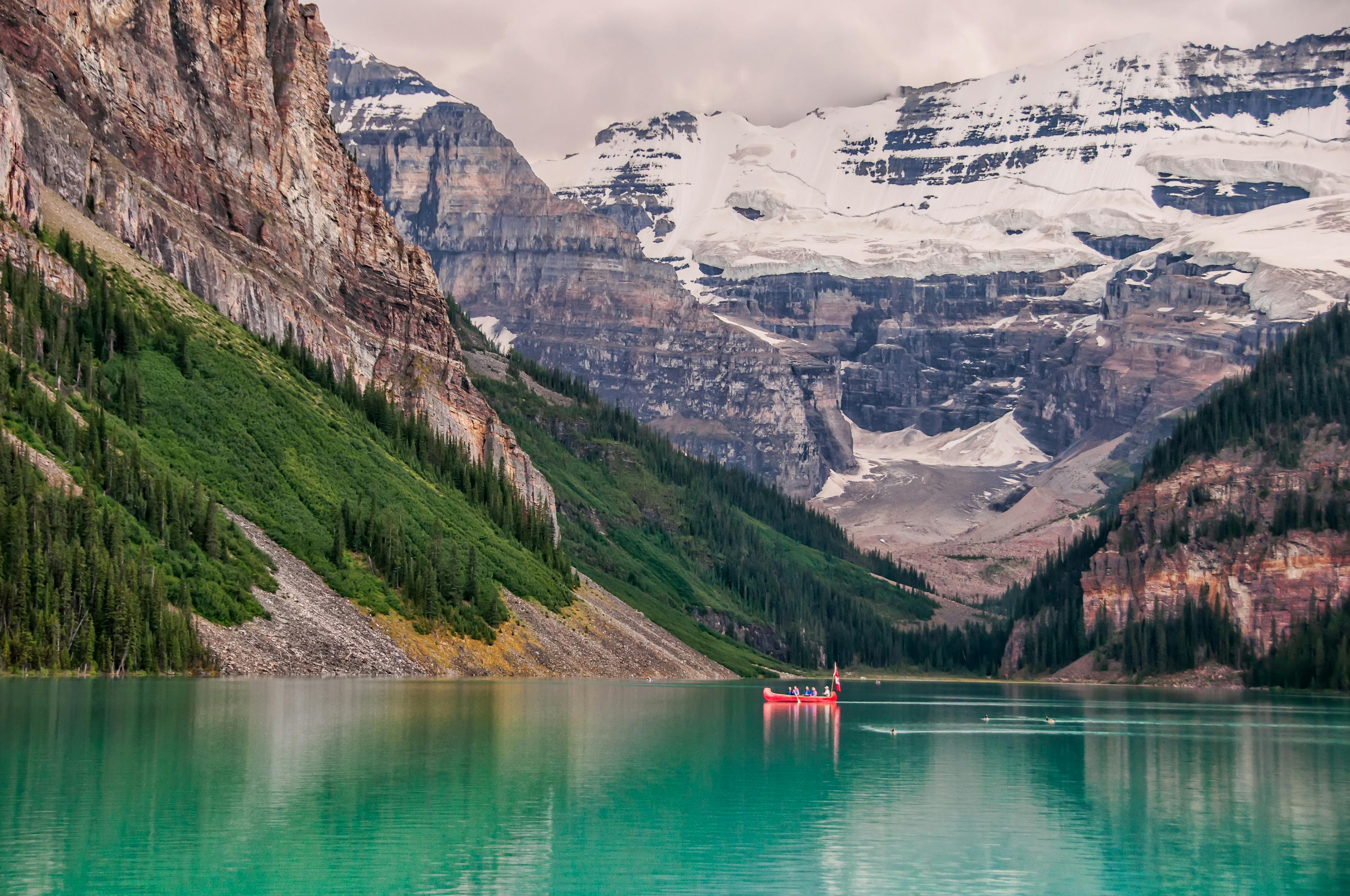
Albertans enjoy an active outdoor lifestyle, with the Rocky Mountains and prairie badlands offering adventure. Hiking, skiing, camping, and fishing are popular. Weekend trips to Banff or Jasper for nature are common, reflecting how outdoor recreation is central to life in Alberta.

Multicultural Communities

Alberta’s cities (Calgary, Edmonton) are culturally diverse, with significant communities of various backgrounds (Indigenous, South Asian, East Asian, etc.). This diversity shows in festivals (like Edmonton’s Heritage Festival) and a variety of cultural neighbourhoods and cuisines. Newcomers often find established communities and support networks.

Economy

Alberta's economy is diverse and resilient, spanning energy, technology, healthcare, agriculture, and skilled trades. Strong economic growth and business-friendly policies create abundant opportunities for entrepreneurs and workers.

Median Household Income

Median after-tax household income in Alberta. This is one of the highest in Canada, boosted by the well-paid oil, gas, and related industries.

Employment Rate

Alberta’s employment rate (around 66%) is among the highest in Canada. A traditionally younger population and abundant jobs in energy and construction contribute to a high proportion of people working, though recent energy sector volatility can cause fluctuations.

Climate & Weather

Alberta experiences distinct seasons with cold winters and warm summers. The lower humidity levels and clear skies are features many newcomers appreciate. Outdoor recreation is popular year-round.

Summer

Alberta summers are warm and relatively dry. Daytime highs in July are ~23–25°C in Edmonton and Calgary, with low humidity. Nights cool off (10°C). The sun is strong (plenty of clear days). Thunderstorms (sometimes with hail) can occur but are short-lived. Summer is great for outdoor adventures – from Calgary Stampede events to hiking in the Rocky Mountains under long daylight hours.

Winter

Alberta winters are cold but can be interrupted by Chinooks (warm winds) especially in Calgary. Average January temps ~ -10 to -15°C, but cold snaps to -30°C occur. Snowfall is moderate, and sunny skies are common. Edmonton’s Ice Castle and Calgary’s zoo lights are winter highlights. Albertans ski, snowboard, and skate through winter, taking advantage of mountain snow and city outdoor rinks.

Frequently Asked Questions

Header Logo